Unraveling the truth behind common gambling myths
Understanding the Odds
One of the most common myths surrounding gambling is the misconception that players can easily beat the odds. Many believe that certain strategies or betting systems can guarantee a win, leading to unrealistic expectations. In reality, every game of chance has its odds and house edge, meaning that over time, the casino is statistically favored to win. Understanding the odds is crucial for any gambler, as it helps to establish a realistic approach to the game. For instance, you can explore more about payid pokies to see how quickly withdrawals can be processed, along with enticing features.
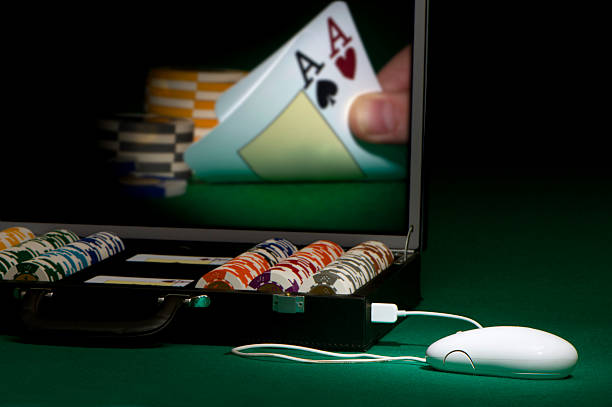
The odds vary significantly between different games, such as slots, poker, or blackjack. For instance, while blackjack offers a lower house edge when played optimally, slot machines often have much higher odds against the player. This variance often misleads players into thinking that they can outsmart the system through patterns or trends. Recognizing that chance plays a vital role in gambling can help create a more responsible and informed gaming experience.
Moreover, believing in the ability to control outcomes can lead to detrimental behavior. Players might find themselves chasing losses, resulting in increased bets in hopes of recovering previous losses. Understanding and accepting the odds can empower gamblers to make better decisions and embrace the entertainment aspect of gambling rather than viewing it as a means to financial gain.
The Gambler’s Fallacy
The gambler’s fallacy is another prevalent myth that claims past events in random games can influence future outcomes. For instance, if a roulette wheel lands on red several times consecutively, players may believe that black is “due” to come up next. This misunderstanding of probability can lead to poor betting decisions and increased financial risk. Each spin of the wheel is independent, and the odds remain constant, regardless of previous outcomes.
This fallacy can cause players to rely on superstitions rather than rational thinking. Many gamblers might carry lucky charms or follow rituals, convinced that these actions can influence the game’s result. However, these beliefs can cloud judgment and lead to irrational betting patterns. Emphasizing education on the nature of randomness can help to dismantle this myth and promote a more realistic understanding of gambling.
For responsible gambling, it is essential to recognize that luck is an inherent part of all games of chance. Rather than allowing past results to dictate future expectations, players should focus on enjoying the game for what it is: an entertainment option with its inherent risks. By dispelling the gambler’s fallacy, individuals can approach gambling with a healthier mindset, making informed decisions while managing their expectations.
The Impact of Bonuses and Promotions
Many players are lured by the attractive bonuses and promotions offered by online casinos, believing that these incentives significantly increase their chances of winning. While bonuses can enhance the gaming experience, it’s crucial to understand their terms and conditions. Often, players must meet specific wagering requirements before they can withdraw any winnings derived from these bonuses, making them less beneficial than initially perceived.
Moreover, some players fall into the trap of assuming that higher bonuses equal better chances of winning. This belief can lead to excessive spending as players chase the allure of free money. It’s essential to carefully read through the fine print associated with these offers and ensure that one is making informed choices rather than being swayed by the excitement of a seemingly great deal. Understanding the mechanics behind bonuses can lead to more strategic decisions.
In addition, casinos may design promotions that encourage extended play, which can inadvertently lead to increased losses. Responsible gambling entails recognizing that while bonuses can enhance your experience, they should not be seen as a guarantee of profit. Players should set limits for themselves and view bonuses as a way to explore new games, rather than a ticket to guaranteed winnings.
Skill vs. Chance in Gambling
A common misconception is that all gambling involves equal parts skill and chance. While it’s true that games like poker require a degree of skill and strategy, other games, such as slots, are purely based on chance. This belief can lead players to overestimate their ability to influence outcomes, which may foster risky behavior. Understanding the distinction between skill-based games and games of chance is crucial for responsible gambling.
In poker, players can develop strategies to improve their odds against opponents, using mathematical calculations and psychological tactics. Conversely, slot machines are driven entirely by Random Number Generators (RNG), meaning each spin is completely independent of the last. Players should be aware of which games they are engaging in to better manage their expectations and approach them with the right mindset.
Moreover, skill-based games can create a false sense of security. Players may believe that they can recover losses through skill alone, leading to irresponsible gambling practices. It is vital for players to evaluate their skill level honestly and acknowledge the element of chance that persists in every gambling scenario, allowing for a balanced and responsible approach to gameplay.
Exploring the Responsible Gambling Options
Understanding gambling myths is crucial, but equally important is exploring responsible gambling options. Many casinos and online platforms offer tools for players to manage their gambling habits. These can include self-exclusion options, deposit limits, and time reminders that encourage players to take breaks and be mindful of their gaming behavior. Utilizing these tools can foster a safer and more enjoyable gambling experience.
Players should actively seek out resources that educate them on responsible gambling practices. Awareness campaigns, workshops, and articles are available to help individuals understand the risks associated with gambling and how to mitigate them. By prioritizing education, players can develop healthier relationships with gambling, recognizing when it may be time to step back or reassess their habits.
Additionally, fostering open conversations about gambling can break down stigma and encourage individuals to seek help if they find themselves struggling. Support groups and professional counseling can provide essential assistance for those facing gambling-related issues. By promoting an environment where players feel safe discussing their challenges, we can create a community that prioritizes responsible gambling and overall well-being.

About Our Platform
At our platform, we strive to provide comprehensive insights into the world of gambling, focusing on responsible practices and informed choices. We aim to unravel the truth behind common gambling myths, helping players make educated decisions when engaging in gaming activities. Our extensive resources cover various topics, from understanding odds to recognizing the importance of responsible gambling tools.
We believe that education is the key to a healthier gambling experience. By offering detailed articles, reviews, and guides, we equip players with the necessary knowledge to navigate the gaming landscape effectively. Our commitment to promoting responsible gambling means that we prioritize user well-being, offering support and resources to ensure a safe environment.
Leave a Reply